
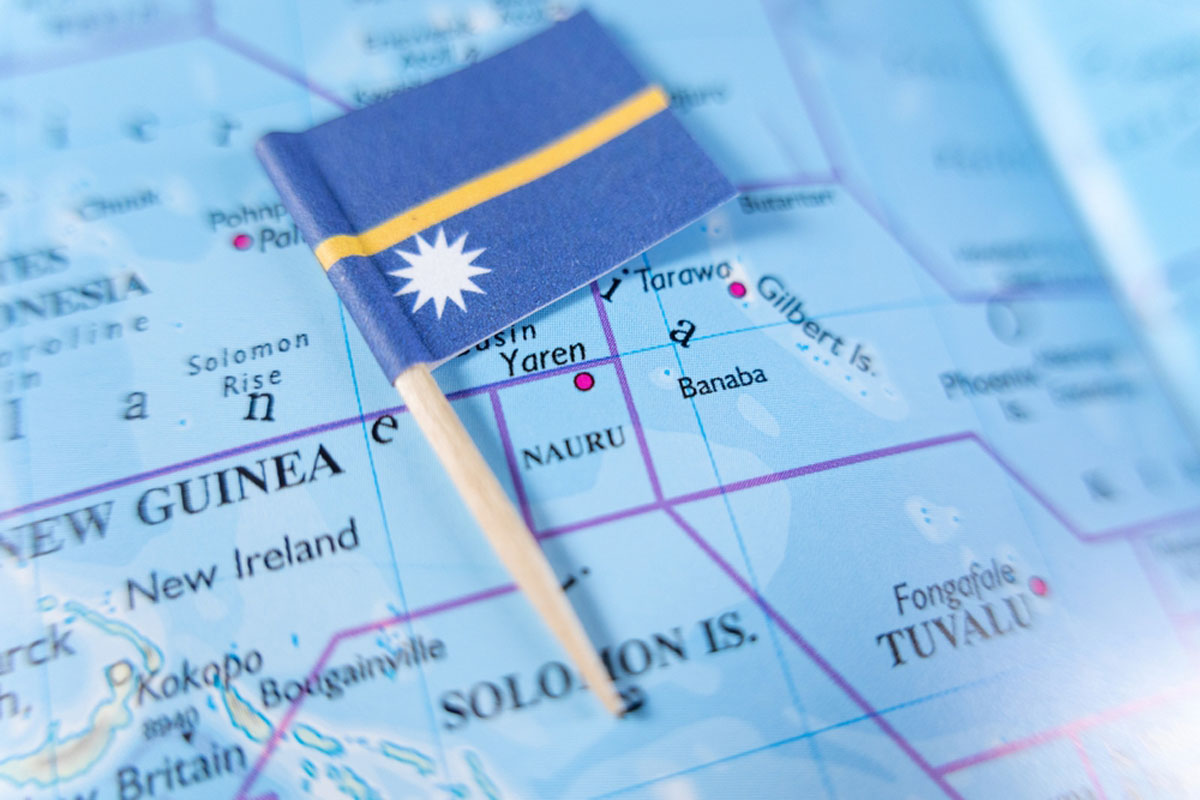
Handy Tips For Exploring Yaren District
Yaren District may not be a capital city in the traditional sense—Nauru has no official capital—but it serves as the government seat of the world’s third smallest country. Situated on Nauru’s southern coast, Yaren is the administrative heart of the island and a fascinating destination for travelers seeking something truly off the beaten path.
Here are some essential tips to help you explore Yaren District and the broader island of Nauru:
Understand Nauru’s Unique Setup
Yaren functions like a capital, hosting parliament, government offices, and the airport, but Nauru has no legally declared capital city.
Arrive Through Nauru International Airport
Yaren is home to the country’s only airport. All visitors arrive here, making it a natural starting point for exploration.
Check Visa Requirements
Nauru has strict visa policies. Most travelers must apply in advance via email through Nauru Immigration.
Stay at One of the Few Hotels
Accommodation is limited. The Menen Hotel (just outside Yaren) is the most well-known and often the best option for international visitors.
Rent a Vehicle or Arrange a Driver
There’s no public transport system. Renting a car or organizing transport through your hotel is essential for getting around.
Visit the Government Buildings
Explore the Parliament House, government offices, and Nauru Police Headquarters—most are walkable within Yaren.
Explore the Civic Centre
This modest cluster includes public buildings, community centers, and the central post office. It gives a glimpse into daily life.
Enjoy the Coastal Views
Yaren is right on the ocean. The coast is rocky but offers beautiful views and peaceful spots to relax.
Bring Essentials
Shops are limited and imports are expensive. Pack toiletries, medications, sunscreen, and snacks.
Tour the Island Ring Road
The 19 km road circles the entire island. Take a loop drive from Yaren and discover scenic viewpoints and villages.
Visit Buada Lagoon
Just a short drive from Yaren, this lush, freshwater lagoon is one of Nauru’s prettiest natural features.
Respect Local Customs
Nauruans are warm but private. Ask permission before taking photos of people or property.
Swim with Caution
There are few beaches and the coastline is mostly rocky reef. When swimming, ask locals for safe spots.
See Command Ridge
This WWII site with old Japanese relics is the island’s highest point and offers panoramic views—only about 10 minutes from Yaren.
Bring Cash
The Australian dollar is used. Credit card acceptance is limited, so bring sufficient cash for meals and shopping.
Taste Local and Imported Foods
Dining options are few. Try local seafood and dishes influenced by Chinese, Australian, and Pacific cuisines.
Expect a Slower Pace
Life is laid-back. Things like food service, scheduling, and responses may take longer than you’re used to—embrace the calm.
Look for Birdlife
Nauru has interesting bird species and marine life. Yaren’s surroundings offer modest but peaceful birdwatching opportunities.
Internet is Limited
Wi-Fi is expensive and slow. Download maps and resources in advance, and enjoy the digital detox.
Support the Local Economy
Buy souvenirs or handcrafts when possible, and engage respectfully with locals. Tourism is rare, and your visit makes a difference.
Yaren Travel Quick Facts:
- Currency: Australian Dollar (AUD)
- Language: English and Nauruan
- Time Zone: UTC+12
- Main Entry Point: Nauru International Airport (IATA: INU)
- Climate: Tropical—hot and humid year-round, with a rainy season from November to February
Though small in scale, Yaren offers a gateway to understanding the spirit and resilience of Nauru. Come with an open mind, and you’ll leave with unforgettable stories from one of the world’s least-visited corners.
A Day in Yaren District: Life in the Heart of Nauru
There’s a kind of quiet in Yaren that catches you off guard—not the silence of emptiness, but the peace of simplicity. As the de facto capital of Nauru, Yaren might not boast grand monuments or buzzing city streets, but it holds something more rare: authenticity.
Nestled along the southern coast of the island, Yaren offers a gentle start to any traveler’s journey. Palm trees sway in the ocean breeze, and the sound of distant waves merges with birdsong and the rustle of pandanus leaves. Government buildings line the inland edge—humble yet significant. This is where decisions are made, where parliament gathers, and where national identity is quietly maintained.
Walking through Yaren, it quickly becomes clear that the idea of a “capital” here is different. There are no skyscrapers, no traffic jams. Instead, you pass the airport runway, spot a group of schoolchildren in matching uniforms, and maybe wave to a local shopkeeper opening up for the day. The pace is slow, but everything moves with purpose.
Down by the coast, the reef glimmers beneath the surface. Though the beach is rocky, the sea invites quiet contemplation. You might see fishermen casting lines or a family gathering beneath a shady tree. Nearby, locals tend small gardens or relax outside homes, sharing stories and smiles. In Yaren, time isn’t measured by the hour—it’s felt in the rhythm of daily life.
A short walk takes you to the Civic Centre, where post offices, community buildings, and local services come together. It’s the island’s heartbeat—not flashy, but functional. Across the road, a lone flag flutters above Parliament House, surrounded by palms and sunshine.
Food in Yaren is humble and hearty. A plate of grilled fish, fresh coconut, and imported noodles might be shared with a laugh at a family-run takeaway. It’s not about fine dining—it’s about nourishment, conversation, and connection.
The day might carry you inland, to the verdant Buada Lagoon or up toward Command Ridge, where World War II relics lie half-swallowed by nature. From the top, you see the curve of the island, the ocean in every direction, and realize just how tiny—and resilient—this country is.
As the sun dips low, golden light washes over the district. Children ride bicycles down quiet roads. Smoke curls from backyard cooking fires. There are no flashing neon signs here, no rush to go anywhere. Just the sense that the day has been well lived—simply, and with grace.
What Makes Yaren Special?
- It’s one of the smallest capital districts in the world—calm, safe, and welcoming.
- It offers a rare look at Pacific Island governance, culture, and daily life without tourist trappings.
- It invites you to slow down and experience a different kind of capital—one without chaos, where nature and people live in balance.
Spending a day in Yaren isn’t about checking off landmarks—it’s about presence. It’s about seeing beauty in quiet places, exchanging smiles with strangers, and embracing the gift of stillness. In the heart of Nauru, the smallest things leave the biggest impression.