
Handy Tips For Exploring Mbabane
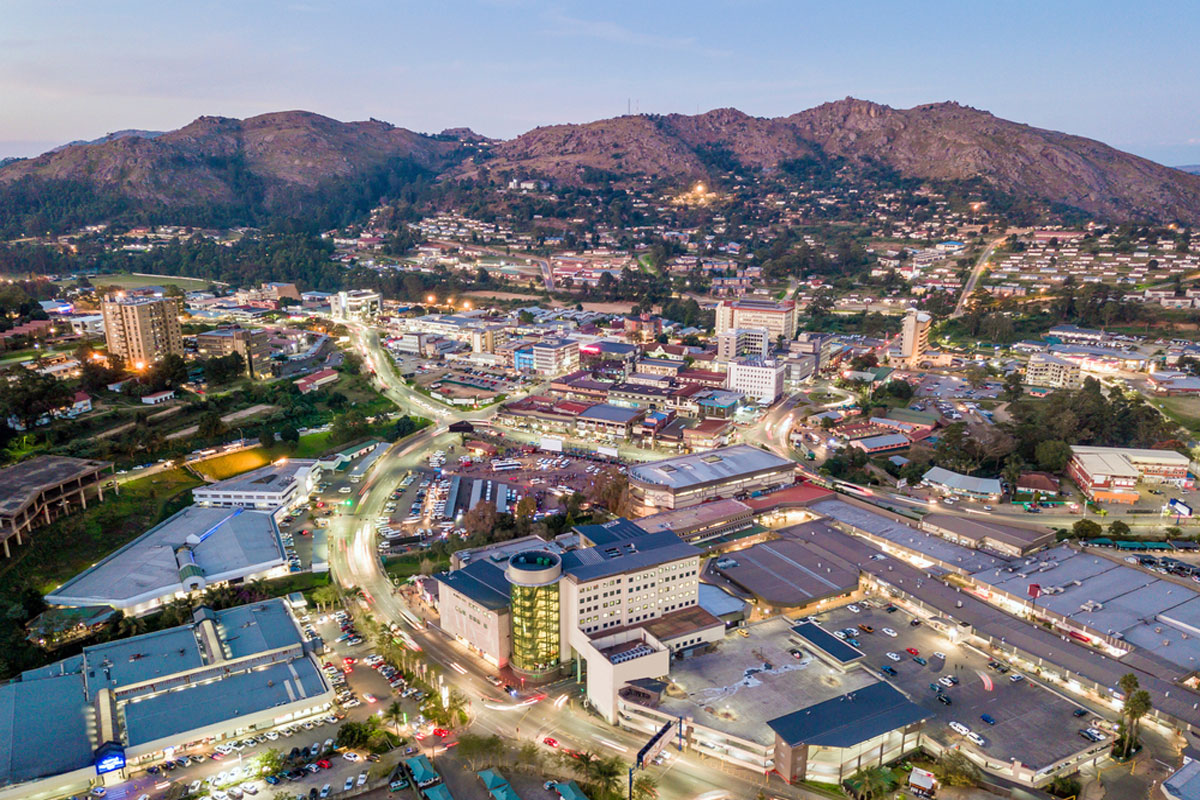
Nestled in the scenic Ezulwini Valley, Mbabane is a charming capital city with a relaxed vibe, surrounded by rolling hills and rich Swazi culture. While smaller than many African capitals, Mbabane offers a refreshing mix of craft markets, natural beauty, and easy access to cultural gems like nearby Lobamba, the country’s royal and legislative capital. If you’re planning a visit to Eswatini, here are some essential tips to help you make the most of your time in and around Mbabane.
Check Visa Requirements in Advance
Many travelers can enter visa-free, especially from neighboring African countries and the EU. Still, double-check current regulations before you go.
Currency: Use the Lilangeni or South African Rand
Both are accepted 1:1 in Eswatini. Bring some cash, as card usage is still limited in smaller shops and markets.
Stay in Mbabane, Explore from There
Mbabane is a practical base with hotels, restaurants, and access to key routes leading to wildlife parks, waterfalls, and craft villages.
Bring Layers—The Weather Can Vary
Mbabane sits at a higher altitude, so mornings and evenings can be cool, even in summer. Layer up, especially if visiting during the Southern Hemisphere winter (May–August).
Don’t Miss the Swazi Market
Located in the center of Mbabane, this market is a treasure trove of handcrafted items, wooden carvings, batik fabrics, and local art. Bargain respectfully.
Visit the Ngwenya Glass Factory
Just a short drive away, this sustainable glassworks studio produces beautiful recycled glass items. You can watch artisans at work and shop for eco-friendly souvenirs.
Explore Sibebe Rock
Only 8 km from Mbabane, this massive granite dome is the second-largest monolith in the world. Hike it for panoramic views—but wear proper shoes and bring water!
Tap into Local Cuisine
Try dishes like sishwala (maize porridge), braaied meats, and emasi (fermented milk). Local restaurants often fuse traditional and modern African flavors.
Stay at a Local Lodge or Guesthouse
While international hotels exist, Swazi-run lodges and eco-resorts offer a more personal and immersive experience in Eswatini hospitality.
Internet Is Available, But Patchy
Wi-Fi is accessible in hotels and cafés, but don’t expect lightning-fast speeds. Buy a local SIM card for better connectivity on the go.
Respect Local Customs
Eswatini is deeply traditional. Dress modestly when visiting cultural sites and always ask before taking photos of people, especially during ceremonies.
Plan a Day Trip to Lobamba
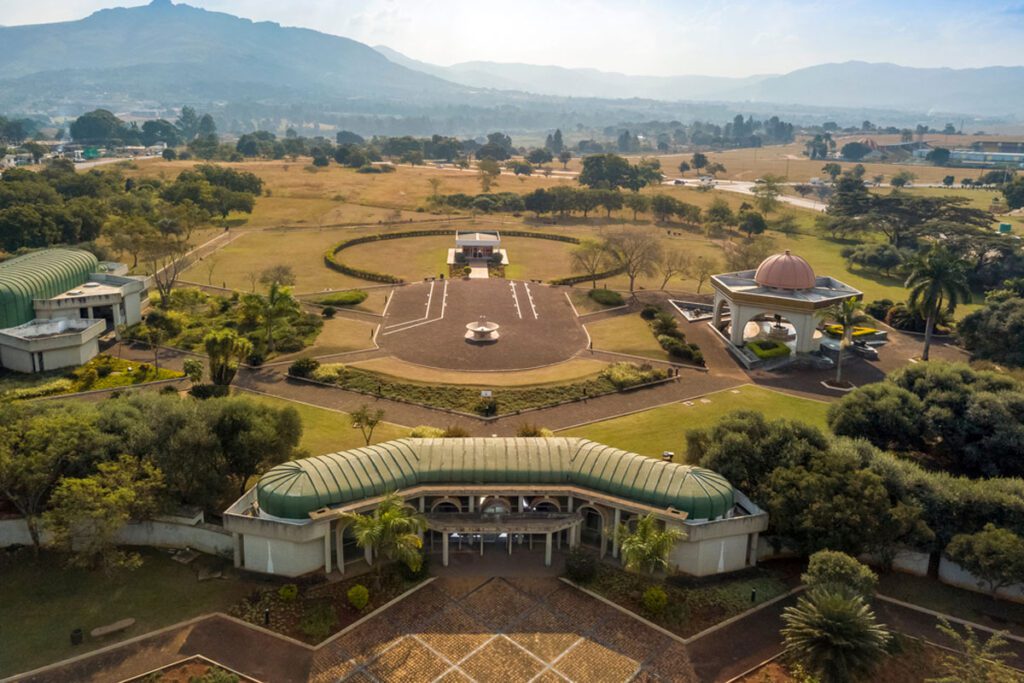
Just 20 minutes from Mbabane, Lobamba is the cultural heart of Eswatini. Visit the National Museum, the King Sobhuza II Memorial, and catch a performance at the Mantenga Cultural Village.
Try the Local Breweries
Eswatini has several local beers and soft drinks. Sibebe Lager, named after the nearby rock, is the country’s most popular brew.
Use Kombis or Hire a Local Driver
Public minibuses (kombis) are cheap but often crowded and confusing. Hiring a driver or joining a tour gives you flexibility and safety.
Attend a Cultural Festival If You Can
If your timing is right, don’t miss the Umhlanga (Reed Dance) or Incwala, two of Africa’s most unique and sacred traditional ceremonies.
Support Ethical Craft Markets
Visit Gone Rural, Swazi Candles, or Baobab Batik to buy fair-trade, handmade goods and support women’s cooperatives and artisans.
Be Aware of Opening Hours
Shops often close early, especially on weekends. Plan your errands and sightseeing accordingly.
Nature Is Everywhere—Take Time to Enjoy It
Hike in Malolotja Nature Reserve, explore waterfalls, or just breathe in the fresh mountain air. Nature is one of Eswatini’s greatest luxuries.
Be Friendly and Greet People
Swazis are polite and community-oriented. A simple “Sawubona” (hello) goes a long way in building rapport.
Slow Down—This Isn’t Johannesburg
Mbabane moves at a gentler pace. Don’t expect rush or hustle; instead, embrace the calm, courteous rhythm of Swazi life.
A Day in Mbabane: Slowing Down in Eswatini’s Mountain Capital
Tucked among rolling hills and misty peaks, Mbabane offers a different kind of capital city experience—one that invites you to slow down, breathe the mountain air, and explore at your own pace. It may be Eswatini’s administrative capital, but it feels more like a welcoming mountain town than a bustling metropolis. A day in Mbabane is a gentle immersion into Swazi hospitality, natural beauty, and local creativity.
Morning Light and Market Colors
The city stirs slowly as locals make their way to work or set up their stalls at the Mbabane Craft Market, a treasure trove of handmade goods. The atmosphere is lively but never rushed. As you wander through rows of colorful batik fabrics, beaded jewelry, and carved wooden animals, you get a real sense of the artistry and warmth that define this small nation.
Nearby, you might pass cafés opening their doors, the scent of fresh coffee mingling with the morning breeze. It’s a good place to stop and take it all in—Mbabane’s blend of urban modesty and natural serenity.
Midday Explorations and Swazi Flavors
With the sun climbing over the surrounding hills, Mbabane begins to hum with quiet energy. Artisans work in tucked-away studios, students bustle between university buildings, and small businesses buzz with daily routines.
A visit to the Ngwenya Glass Factory, just a short drive away, offers a glimpse into sustainable craftsmanship. Watching recycled glass transformed into beautiful tableware and sculptures is both mesmerizing and meaningful. The adjacent shops sell locally made textiles, candles, and organic teas—ideal souvenirs with a social impact.
Lunchtime in Mbabane is a delight if you know where to look. From casual cafés serving peri-peri chicken and pap to restaurants offering Swazi-style stews and fresh mountain greens, the food is simple but deeply satisfying. There’s no need to rush—meals here are enjoyed slowly, often shared, and best followed by conversation.
Nature, Culture, and Quiet Moments
As the day stretches on, the pull of nature becomes irresistible. Just outside town lies Sibebe Rock, one of the largest exposed granite domes in the world. Even if you don’t hike it, the surrounding trails and picnic spots offer a peaceful retreat. Birds call from the trees, and the distant views remind you just how green and undisturbed this little kingdom is.
For a cultural detour, the nearby Ezulwini Valley and Lobamba offer insight into Eswatini’s royal traditions and community life. The Mantenga Cultural Village brings history to life with traditional huts, Swazi dancing, and storytelling. Even a brief visit deepens your understanding of the nation’s proud heritage.
Evening Calm and City Glow
As dusk rolls in, the hills cast long shadows across the town. The streets grow quiet, and a golden hue settles over the rooftops. Locals gather in small cafés or on the verandas of guesthouses, sipping tea or local brews as the day winds down.
There’s no loud nightlife scene here—just the gentle rhythms of a mountain town wrapping up another day. And that’s the magic of Mbabane. It doesn’t try to impress with skyscrapers or spectacle. Instead, it offers something far rarer: a place to be present, to appreciate the simple, and to leave feeling a little more grounded than when you arrived.
One day in Mbabane is enough to feel its charm—but not enough to let it go. Whether you stay longer or move on to other corners of Eswatini, the city leaves you with memories of kind smiles, cool air, and a rhythm that stays with you long after the journey ends.