

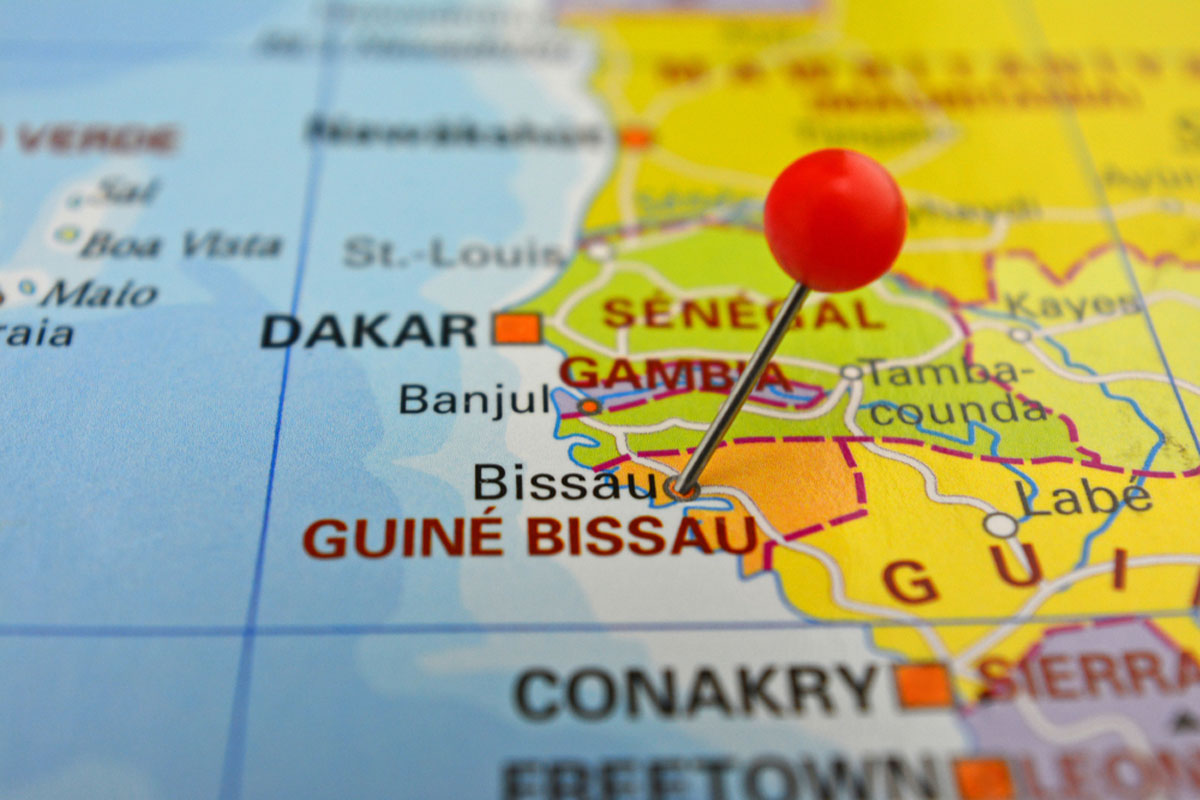
Handy Tips For Exploring Bissau
Bissau, the capital of Guinea-Bissau, is a city often skipped by travelers — but those who venture here find a destination bursting with history, vibrant culture, and laid-back charm. Whether you’re exploring colonial ruins or sipping palm wine by the sea, here are some essential tips to help you make the most of your time in this West African capital.
French and Portuguese are Useful — But So Is Crioulo
Portuguese is the official language, French is common in business, and Guinea-Bissau Creole (Kriol) is widely spoken in daily life.
Cash is King
ATMs can be unreliable or unavailable, and credit cards are rarely accepted. Bring enough West African CFA francs in cash.
Dress Light — and Conservatively
The climate is hot and humid. Loose, breathable clothing is ideal, but modest attire is best for respectful interactions.
Try the Local Cuisine
Don’t miss caldo de mancarra (peanut stew), jollof rice, grilled fish, and cassava leaves with smoked fish.
Visit the Old Portuguese Quarter
Explore faded colonial buildings, cobbled streets, and historic charm in the heart of Bissau Velho (Old Bissau).
Expect Power Cuts
Electricity outages are common. Carry a flashlight or power bank if you’re relying on electronics.
Take a Day Trip to the Bijagós Islands
Accessible from Bissau, the Bijagós Archipelago offers pristine beaches, mangroves, and unique cultural experiences.
Transportation is Basic but Cheap
Shared taxis and minibuses (called toca-tocas) are the norm. Always agree on the fare beforehand.
Try Palm Wine or Local Beer
Sample palm wine (sweet and lightly fermented) or Djumbai, a popular local brew.
Respect Photography Etiquette
Ask permission before photographing people, military sites, or government buildings.
Market Visits Are a Must
Wander through Bandim Market, Bissau’s largest, for fresh produce, colorful fabrics, and handmade crafts.
Carry ID or a Copy
Checkpoints are common. It’s wise to carry a photocopy of your passport and visa.
Slow Down and Be Patient
The pace of life in Bissau is slow. Things may not happen quickly, but they will happen eventually.
Healthcare is Limited
Bring your own medication and first-aid supplies. Consider travel insurance with emergency evacuation coverage.
Visit Fortaleza d’Amura
The city’s old Portuguese fort is home to the mausoleum of independence hero Amílcar Cabral.
Expect Patchy Internet Access
Wi-Fi is limited and slow in many places, so plan accordingly and download maps or info in advance.
Go for a Walk at the Port
The harbor area is lively with fishing boats, cargo, and evening social gatherings.
Avoid Tap Water
Drink bottled or boiled water. Also avoid uncooked street food if you have a sensitive stomach.
Enjoy Local Music and Dance
Traditional rhythms mix with modern African beats — look for live music in local bars and cafes.
Be Ready for a Warm Welcome
The people of Bissau are known for their friendliness. A few words of Crioulo and a big smile go a long way.
A Day in Bissau: From Colonial Charm to Island Whispers
Bissau, Guinea-Bissau’s easygoing capital, wakes gently with the rising sun. The scent of wood smoke and ripe mango fills the air. Roosters call from courtyard walls while market women arrange their baskets beneath bright umbrellas. There’s no rush here — just rhythm.
Morning in Bissau Velho
Your day begins with a quiet walk through Bissau Velho, the city’s old colonial quarter. The buildings are aged and cracked, but they wear their history with grace. Shutters creak open, children laugh in the alleyways, and palm trees lean lazily over narrow lanes.
This neighborhood is where the past lingers. Portuguese façades, fading paint, and iron balconies tell stories without saying a word. It’s a place where you don’t need a guide — just curiosity and time to wander.
The Pulse of Bandim Market
Not far from the calm of the old quarter, Bandim Market erupts with color and life. You step into a world of woven baskets, hand-dyed fabrics, dried fish, hot peppers, and secondhand clothes. The air buzzes with voices, greetings, and good-natured haggling.
Vendors smile, children run through the aisles, and someone hands you a mango slice — sweet and warm from the sun. Here, every interaction is a moment of welcome, and every corner hums with culture.
A Seaside Pause at the Port
Leaving the market behind, you head toward the harbor, where life takes on a more fluid rhythm. Wooden boats sway gently in the tide, and fishermen mend their nets with practiced ease. The salty breeze cools your skin as you sip a soda under the shade of a seaside shack.
Conversations drift across the port, blending with the sound of waves and the soft clink of bottles. It’s a simple moment, but it feels like something sacred.
Fortaleza d’Amura and Reflections on the Past
A walk inland brings you to Fortaleza d’Amura, the old Portuguese fort. It stands silent but strong — a symbol of colonial power, and later, national pride. Within its walls lies the mausoleum of Amílcar Cabral, a hero of Guinea-Bissau’s independence.
You move quietly around the site, reflecting on the country’s story — a mix of resistance, resilience, and hope.
Afternoon Vibes and Local Rhythms
As the sun softens, so does the city. People rest in hammocks, gather on porches with café touba or palm wine, and turn up radios tuned to mbalax, reggae, or soft local melodies. The air is thick but slow, and the music makes even the breeze seem like it’s dancing.
There’s no need for a plan. Just sit, sip, and soak in the rhythm.
Dreaming of the Bijagós Islands
Toward the horizon lies the promise of the Bijagós Archipelago — a scatter of untouched islands waiting just offshore. Though you don’t make the crossing today, the thought of their wild beauty lingers in your mind like an invitation.
Bissau gives you just enough — charm, color, calm — and leaves you dreaming of what comes next.
Final Reflections
In Bissau, time isn’t tracked by clocks. It’s measured in footsteps, market laughs, ocean breezes, and the kindness of strangers. It’s a place that unfolds gently, offering the kind of beauty you only find when you slow down.
