
Handy Tips For Exploring Conakry
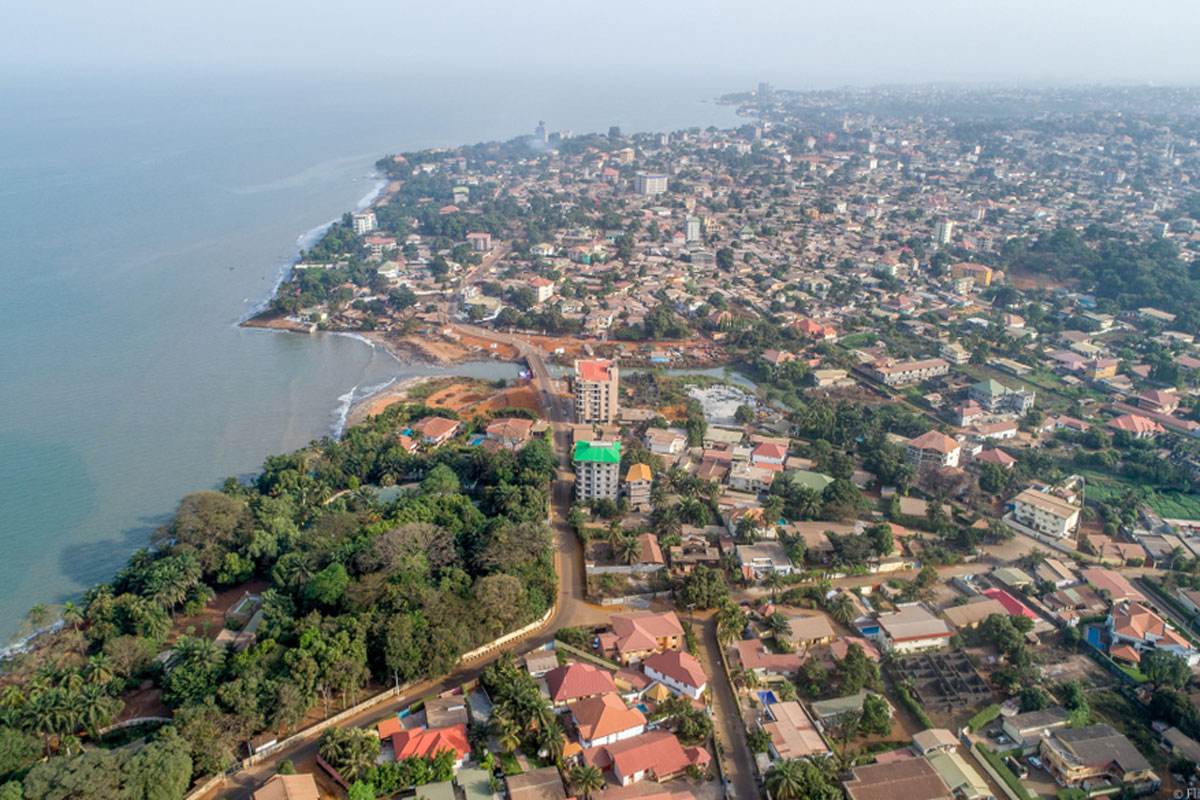
Conakry, the vibrant and often chaotic capital of Guinea, stretches along a narrow peninsula on the Atlantic coast. With its mix of colorful markets, coastal views, French colonial architecture, and rich West African culture, Conakry is an off-the-beaten-path destination full of surprises. Here are some practical and insightful tips to help you make the most of your visit:
Learn a Few Words of French
French is the official language in Guinea, so a basic grasp of greetings and polite phrases will go a long way.
Expect Power Cuts
Electricity can be unreliable in parts of Conakry. Bring a power bank and consider accommodations with a generator.
Stay Hydrated and Be Cautious with Tap Water
Stick to bottled water and avoid ice unless you’re sure it’s from a clean source.
Dress Modestly and Respectfully
Guinea is a predominantly Muslim country; modest clothing is appreciated, especially outside tourist areas.
Use Local Transport Carefully
Taxis are cheap but can be shared with others unless you negotiate a private ride. Always agree on the fare in advance.
Enjoy Local Dishes Like “Riz Sauce”
Try Guinean classics like riz sauce arachide (rice with peanut sauce), grilled fish, and foutti (mashed plantains or cassava).
Visit the National Museum
Small but interesting, it showcases masks, musical instruments, and traditional artifacts from Guinea’s diverse ethnic groups.
Take in the View from the 8 November Bridge
This busy bridge connects the Kaloum district to the rest of Conakry and offers a snapshot of local life.
Plan for Traffic
Conakry’s roads can be congested. Travel early if you have appointments or flights.
Be Aware of Visa Requirements
Most visitors will need a visa to enter Guinea. Check the latest entry requirements before traveling.
Visit the Fishing Port in Boulbinet
A colorful and bustling spot where you can watch fishermen bring in their daily catch.
Explore Îles de Los
These peaceful islands just off the coast are perfect for a beach escape, with calm waters and a slower pace.
Bargain Politely at Markets
Prices are negotiable in local markets, including the bustling Madina Market — but always haggle with a smile.
Use Cash, Not Cards
ATMs are limited and often unreliable. Bring enough cash (Guinean francs) for your needs.
Keep Your Valuables Secure
Petty theft can occur, especially in crowded areas. Use a money belt or anti-theft bag.
Be Patient and Flexible
Things may not always run on time. A relaxed, go-with-the-flow attitude will serve you well.
Check Health Precautions
Make sure your vaccinations are up to date, and consider anti-malarial medication.
Experience Live Music
Guinea has a rich musical heritage — look out for live performances of traditional drumming or Afro-jazz.
Don’t Expect Much Tourism Infrastructure
Conakry is not heavily geared for tourism — which makes it feel all the more authentic.
Connect with the People
Guineans are known for their hospitality. A friendly attitude opens doors and hearts.
A Day in Conakry: Sights, Sounds, and Seaside Vibes
Waking Up to West Africa
Waking up in Conakry is a sensory experience. From the soft hum of voices outside to the scent of fresh baguettes drifting in from a roadside vendor, the city invites you to dive in and explore — on your own terms.
Exploring the Streets of Kaloum
The morning begins in Kaloum, the peninsula’s oldest and most bustling district. As the city stirs to life, shopkeepers raise their shutters, students shuffle off in uniforms, and motorbikes weave their way through narrow streets. A stroll through the heart of the capital brings you face to face with colonial-era architecture, faded but full of character, and roadside fruit stands stacked with mangoes, bananas, and papayas.
Culture at the National Museum
Your footsteps lead you to the National Museum of Guinea, where masks, statues, and instruments whisper the history of the country’s many ethnic groups. It’s not grand or polished, but it’s intimate — a fitting introduction to Guinea’s soulful heritage.
Chaos and Color at Madina Market
As the sun climbs higher, the city heats up. Locals gather at the Madina Market, a chaotic maze of textiles, electronics, spices, and chatter. Here, bargaining is expected, and every purchase is a conversation. The smell of grilled meat and frying plantains lingers in the air, tempting you to pause for a plate of riz sauce arachide or grilled fish served with hot chili sauce and cassava.
By the Atlantic: Boulbinet Fishing Port
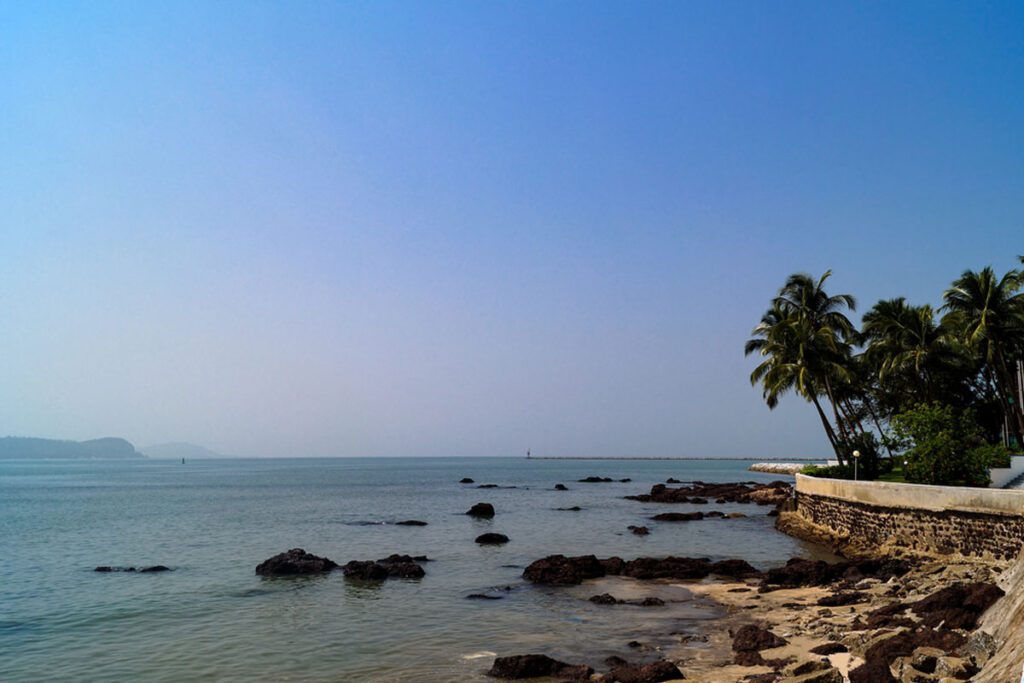
From the market, you make your way to the coast. The fishing port in Boulbinet is alive with color — wooden boats bobbing in the tide, fishermen mending nets, women selling fresh catch in silver pans. The Atlantic breeze offers a welcome break from the midday sun, and the crashing of waves reminds you of the city’s constant pulse.
Escape to the Îles de Los
Later, you hop a small boat to the Îles de Los, a short ride away but a world apart. On these sandy, serene islands, life moves slowly. You wander barefoot along the shore, coconut in hand, as children play in the surf and music echoes faintly from a village bar.
Evening Rhythm and Reflection
Back in the city as dusk falls, the air cools and the city’s rhythm shifts. Music pours out from cafés and courtyards. Drummers gather in neighborhoods, and the beat draws you in. Whether you end the day sipping sweet ginger tea or dancing under the stars, Conakry has a way of staying with you.
Final Thoughts
Not every capital offers skyscrapers and sleek streets — some offer soul. And Conakry, with all its contrasts, color, and character, gives you just that.