
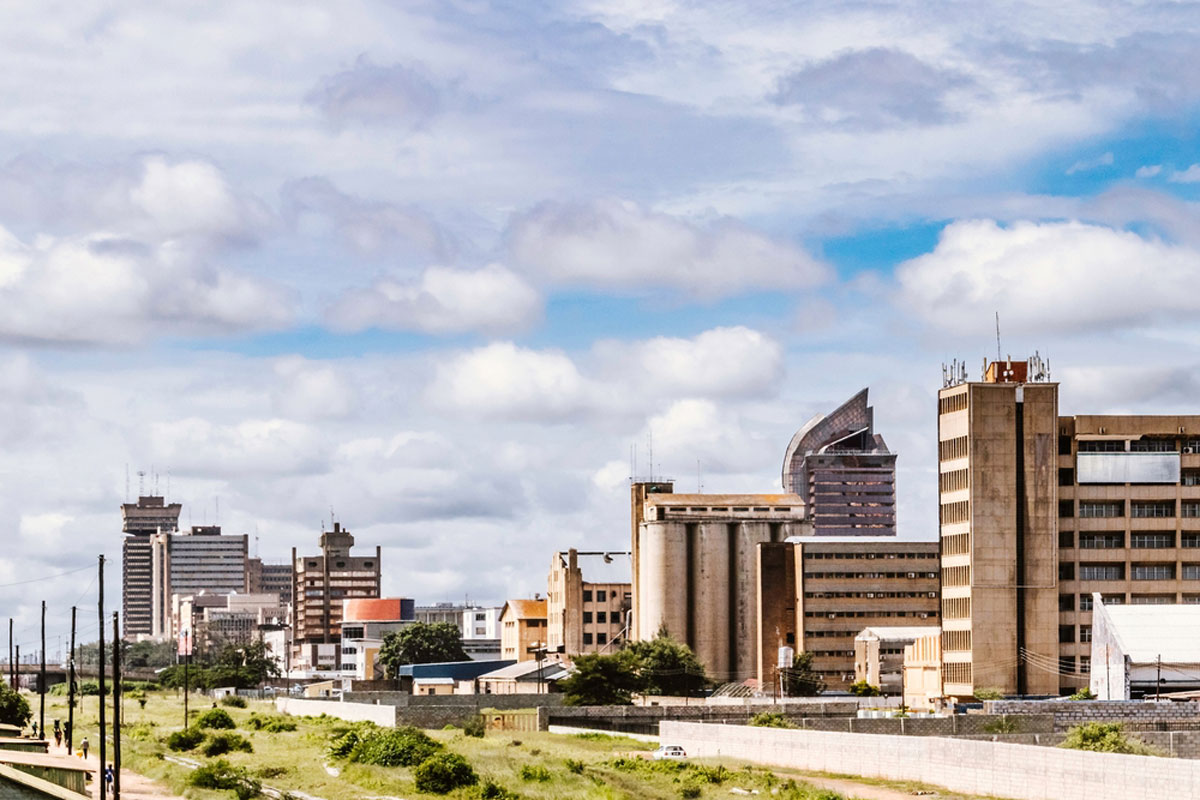
Handy Tips For Exploring Lusaka
Embrace the Hustle and Bustle
Lusaka is busy, vibrant, and full of energy. Keep an open mind and dive into the daily rhythm—it’s part of the charm.
Visit the Sunday Market at Arcades
Great for crafts, fabrics, art, and souvenirs. It’s a one-stop spot to support local artisans.
Use Reliable Transport
Taxis and ride-hailing apps like Ulendo are safer and more reliable than minibuses, especially for first-time visitors.
Stay in a Central Area
Neighborhoods like Kabulonga, Rhodes Park, or Woodlands offer good access to restaurants and attractions with relative safety and comfort.
Try Traditional Zambian Cuisine
Don’t leave without tasting nshima with ifisashi (vegetables in peanut sauce) or nyama choma (grilled meat).
Be Cautious with Street Photography
Ask permission before taking photos of people or markets—some locals may be sensitive to it.
Expect Traffic Jams
Lusaka’s roads can get congested during peak hours—plan accordingly and be patient.
Carry Some Cash
While cards are accepted in malls and hotels, local vendors prefer Zambian Kwacha.
Visit the Lusaka National Museum
It’s a great introduction to Zambian history, culture, and independence-era art.
Check Out 37D Gallery
A hidden gem showcasing contemporary Zambian art. It often features exhibitions and local events.
Explore Local Cuisine Beyond Restaurants
Try roadside food like roasted maize or fried cassava—fresh, cheap, and full of flavor.
Dress Respectfully
Especially when visiting churches or public institutions. Modest clothing is appreciated.
Go to Munda Wanga Environmental Park
A family-friendly spot with a botanical garden, wildlife sanctuary, and picnic areas.
Join a Local Walking Tour
This is a great way to experience neighborhoods, learn local history, and meet new people.
Visit Kabwata Cultural Village
Buy handcrafts directly from artisans and enjoy cultural performances or traditional food stalls.
Beware of Load Shedding
Power cuts are common. Keep a flashlight and power bank handy.
Stay Hydrated
Lusaka can be hot and dry. Always carry bottled water with you.
Be Polite and Greet People
Zambians value politeness. A simple “muli bwanji?” (how are you?) goes a long way.
Go Out for Live Music
Venues like The Misty Jazz Restaurant & Café often have live jazz, Afrobeat, and local fusion bands.
Take Time to Just Watch Life
Find a café or quiet corner and watch Lusaka unfold—markets bustling, taxis weaving, kids playing—it’s all part of the story.
A Day in Lusaka: Discover the Heartbeat of Zambia
Lusaka, the energetic capital of Zambia, is a city where tradition and progress meet. While it may not be as well-known as some African capitals, it offers a rich and rewarding experience to those willing to explore its streets, markets, and culture. Here’s what a full day in Lusaka might look like—from sunrise to sunset—without sticking to a rigid schedule.
Morning: A Warm Welcome to the City
As the sun rises and casts its golden light across the city, Lusaka begins to hum with life. Street vendors set up their stalls, taxis zip past, and the smell of roasted maize and charcoal-cooked breakfast fills the air.
Start your day by grabbing a local breakfast—perhaps fritters or sweet potato from a roadside stand, washed down with a cup of Zambian tea. Then head to the Lusaka National Museum for an introduction to Zambia’s cultural history. It offers insights into the country’s colonial past, traditional crafts, and independence movement.
A walk around the city center reveals government buildings, historic landmarks, and the everyday rhythm of local life. You might stop to chat with friendly locals, browse through a market stall, or simply soak in the lively atmosphere.
Midday: Markets, Crafts, and Local Cuisine
As the day warms, it’s a perfect time to visit the Kabwata Cultural Village. This cluster of small shops and studios is where artisans sell wooden carvings, batik fabrics, and handwoven baskets. You may catch a performance or even see artists at work.
Lunch is a chance to dig into Zambian cuisine. Head to a local restaurant or eatery and try nshima (maize porridge) served with grilled meat, ifisashi (vegetables in peanut sauce), or chikanda, often called “Zambian polony.” Meals are hearty, comforting, and best enjoyed slowly.
If you’re interested in modern creativity, pop into 37D Art Gallery, which showcases contemporary Zambian artists. It’s peaceful, inspiring, and often features rotating exhibitions.
Afternoon: Green Escapes and City Life
After lunch, the city may feel slower as the sun reaches its peak. This is a good time to escape to Munda Wanga Environmental Park, just outside the city. With a botanical garden, wildlife sanctuary, and shady paths, it’s a relaxing retreat from the buzz of central Lusaka.
Alternatively, wander through Levy Junction Mall or East Park Mall to experience Lusaka’s urban side. You’ll find international brands, local boutiques, and inviting cafés where you can recharge with a smoothie or a cold Mosi beer.
Evening: Music, Markets, and Sunset Views
As the sun begins to dip, Lusaka shifts into a new rhythm. Head to the Arcades Sunday Market (if it’s the weekend) or explore local restaurants that offer both traditional meals and international options.
If you’re lucky, there might be live music—jazz, Afrobeat, or Zambian pop—at a venue like The Misty Jazz Restaurant. Lusaka’s nightlife is vibrant but welcoming, with locals happy to introduce visitors to their favorite spots.
Finish the day watching the sky glow pink and orange above the city. Whether from a rooftop bar, a quiet lodge balcony, or a dusty roadside, Lusaka’s sunsets have a way of making the world pause for just a moment.
Final Thoughts
Spending a day in Lusaka reveals a city that’s much more than a capital—it’s a beating heart of culture, resilience, and friendliness. You’ll leave with memories of street food, music, art, and countless smiles.