
Handy Tips For Exploring Sana'a
Understand the Security Situation
Yemen is currently under a Level 4 “Do Not Travel” advisory in most government guidelines due to ongoing conflict. Travel should only be considered with extreme caution, via approved organizations or humanitarian work.
Go Through Official Channels
If travel is essential, go through a recognized NGO, cultural mission, or secure travel facilitator. Independent tourism is not currently safe or advisable.
Dress Modestly and Respectfully
Yemen is a deeply conservative society. Men should wear long trousers and shirts; women must wear long skirts/dresses and cover their hair with a headscarf in public.
Learn Key Arabic Phrases
Few people speak English. Basic Arabic greetings and polite expressions will go a long way in building trust and showing respect.
Hire a Trusted Local Guide
If travel becomes safe again in the future, always explore with a vetted guide who understands local customs, languages, and regional sensitivities.
Explore the Old City of Sana’a
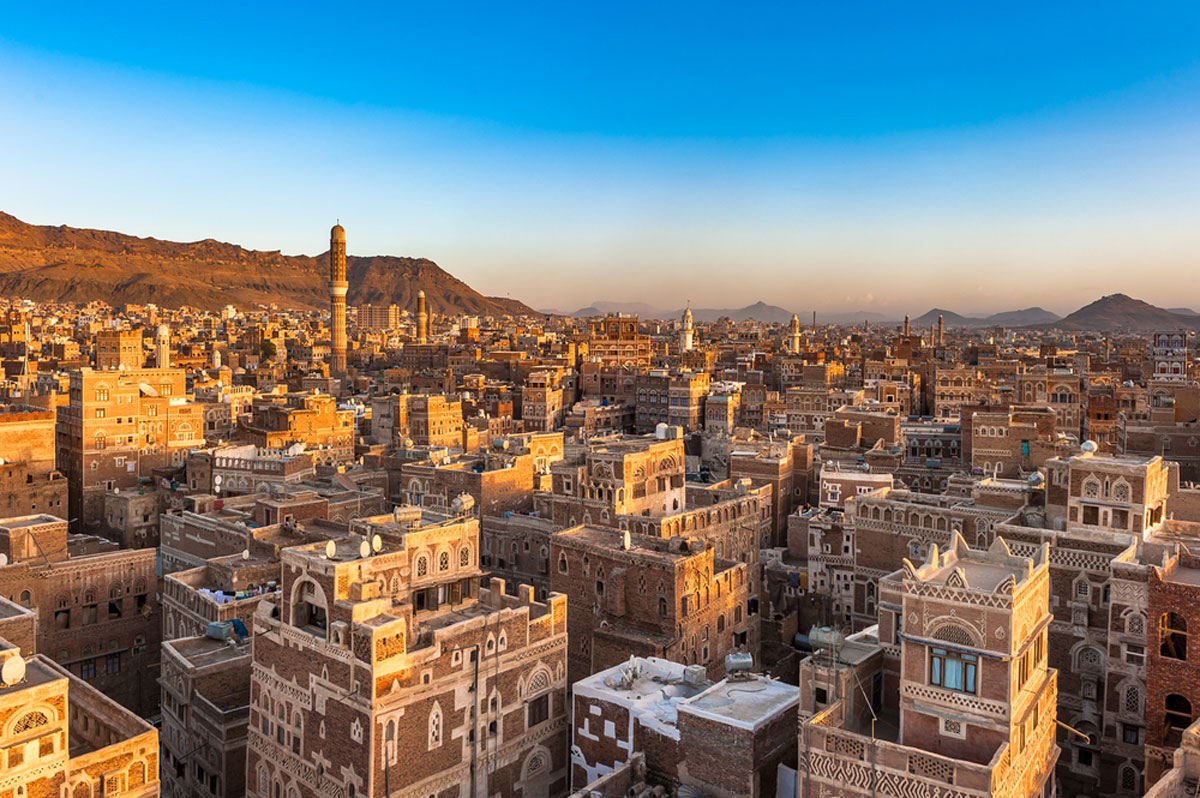
The Old City (Medinat Sana’a) is a UNESCO World Heritage Site with thousands of gingerbread-style tower houses. Walk slowly, take in the carved doors, and marvel at the stained-glass windows.
Visit Bab al-Yemen
The historic gate of the Old City, Bab al-Yemen, is the symbolic entrance to Sana’a and a perfect starting point for exploring the souks and neighborhoods.
Wander the Souks Carefully
Markets in Sana’a are known for spices, daggers (jambiyas), textiles, silver, and honey. Bargain respectfully and ask before photographing people.
Drink Yemeni Coffee
Try traditional Qishr, a spiced coffee drink made with coffee husks and ginger. Yemen is the birthplace of coffee — enjoy it in a centuries-old café.
Avoid Political Conversations
Politics in Yemen is sensitive and complex. Unless you’re invited to share, avoid discussing political issues openly.
Try Local Cuisine
Dishes like saltah (a bubbling stew with fenugreek), fahsa, and fresh flatbread are daily staples. Eat with your right hand and enjoy with locals when invited.
Be Aware of Qat Culture
Many Yemenis chew qat, a mild stimulant, in social settings during the afternoon. Foreigners are often offered it, but you’re not obliged to accept.
Avoid Photography of People Without Permission
Especially women and elders. Respectful photography of architecture is fine, but always ask when in doubt.
Respect Prayer Times
Mosques will close briefly during prayer. Plan around these times, and be respectful during the call to prayer.
Check Internet and SIM Access
Connectivity may be limited. Local SIMs are sometimes hard to access for foreigners — arrange ahead of time if working with an organization.
Don’t Rely on Credit Cards
Yemen is a cash-based society. Bring clean, small USD bills if needed, and change money through trusted sources.
Visit the Great Mosque of Sana’a
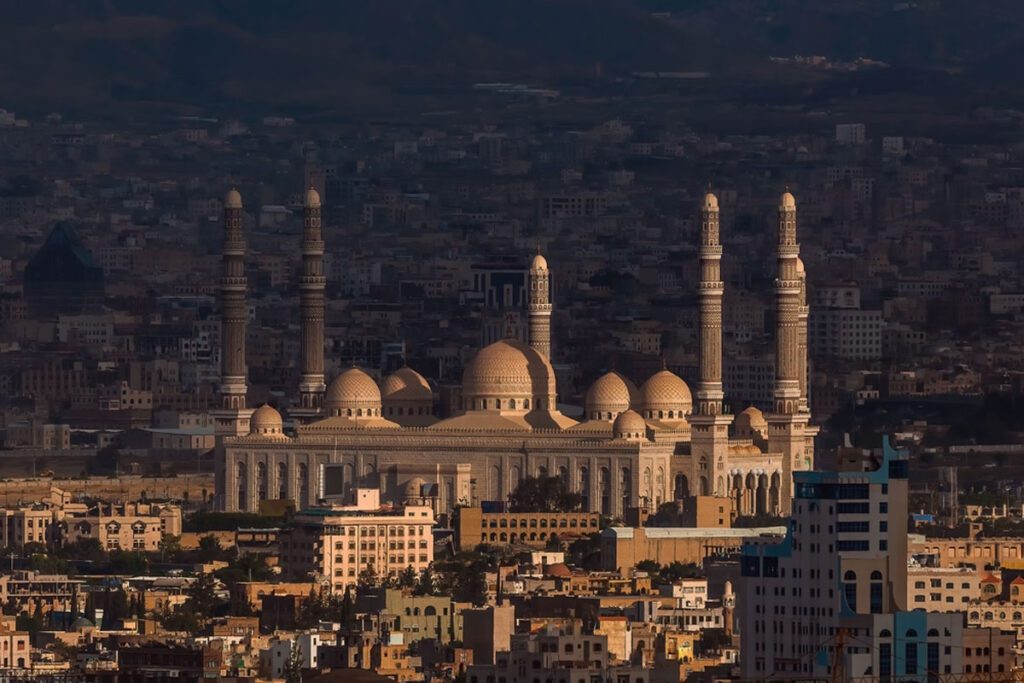
One of the oldest mosques in the Islamic world, this site (if accessible) offers a powerful spiritual and architectural experience.
Prepare for Electricity Cuts
Power is not always stable. Bring a portable charger, flashlight, and backup batteries.
Be Mindful of Photography Restrictions
Avoid photographing military personnel, police, or government buildings — doing so can cause serious trouble.
Travel with Respect and Curiosity
Yemenis are proud of their history, hospitality, and faith. Show cultural sensitivity, gratitude, and an open mind — it will be returned tenfold.
A Day in Sana’a: Timeless Beauty in Yemen’s Ancient Capital
Sana’a isn’t a city you visit — it’s a city you feel. With its sky-piercing mud-brick towers, carved wooden doors, bustling souks, and echoing calls to prayer, Yemen’s capital offers a day like no other. One footstep in the Old City brings you into a world that seems unchanged for centuries. Here’s how to savor a full day in Sana’a without watching the clock — just following the natural rhythm of this ancient and soulful place.
Enter Through Bab al-Yemen
Begin your journey at Bab al-Yemen, the iconic gate to the Old City. As you pass through the arched entrance, you’ll find yourself in a maze of narrow alleys lined with traditional homes, their gingerbread-like façades decorated in intricate white gypsum patterns.
Let yourself wander slowly. The scent of spices, the call of merchants, and the sight of stained-glass windows shining in the sunlight will draw you deeper into Sana’a’s soul.
Get Lost in the Souks
The Old City’s markets are the heart of daily life. Browse colorful stalls selling frankincense, handwoven fabrics, silver jewelry, and the iconic jambiya dagger worn by many Yemeni men. Don’t rush — vendors are usually happy to chat and offer you a sample of dried fruit or local coffee.
Even if you’re not shopping, the souk is a sensory adventure you won’t want to miss.
Take a Cultural Pause
Step into one of Sana’a’s historic mosques or madrasas (Islamic schools), if open to visitors. The Great Mosque of Sana’a is one of the oldest in the Islamic world and a testament to Yemen’s early religious and architectural heritage. Remember to dress modestly and behave respectfully — this is a sacred space.
If you’re accompanied by a guide or local friend, they may share stories or point out hidden inscriptions and historic details you’d otherwise overlook.
Taste the Flavors of Sana’a
When hunger calls, head to a traditional eatery or family-run café for a warm bowl of saltah, Yemen’s national dish — a bubbling stew served with fenugreek froth and fresh flatbread. You might also try fahsa, grilled meats, or sweet malawach bread. Meals are often eaten communally and by hand, usually seated on the floor — a custom that brings a sense of shared tradition.
Wash it down with qishr, a spiced coffee drink made from the husks of coffee beans, or enjoy a strong shot of dark Yemeni brew.
Admire the Architecture Up Close
After your meal, continue walking through the Old City, looking up at the unique mud-brick towers — some as tall as seven stories — decorated with white plaster frames, arched windows, and latticework. These homes have stood for centuries and are still lived in today.
If you get the chance to visit one of these tower houses (perhaps through a guesthouse or a local connection), don’t miss it — the view from the top, overlooking the entire city, is breathtaking.
Rest and Reflect in a Courtyard
Many homes, mosques, and tea shops have internal courtyards filled with vines, fig trees, and bubbling fountains. Find one to sit and relax — away from the noise, you’ll hear the heartbeat of Sana’a: the wind brushing against clay walls, distant conversations, and the next call to prayer rising through the air.
This is the time to write in a travel journal, sketch the surrounding buildings, or simply let yourself absorb the silence.
Evening in the Old City
As shadows stretch across the alleys and windows begin to glow with soft light, Sana’a reveals its most magical side. Lanterns flicker to life. You may hear neighbors exchanging greetings or catch the faint rhythm of a oud being played nearby. If you’re staying the night in a traditional house, the rooftop is the perfect place to end the day — gazing out across minarets and domes, with the mountains guarding the horizon.
Final Thoughts
Spending a day in Sana’a is a deep, immersive experience — not defined by time, but by the pace of life, the resilience of tradition, and the beauty in every corner. It’s a city that lives through its stories, colors, and customs — and if you walk with respect and curiosity, you’ll leave with far more than photographs.